How Much Does PPF Cost for a Truck? Prices Explained
Table of Contents
What Extra Costs Come With Tint Removal and Windshield Tint?
Tint removal commonly costs $100 to $175 for a full vehicle, while individual window removal can cost about $30 to $40 per window.
Typical additional costs include:
- Full tint removal: $100-$175
- Individual window removal: $30-$40 per window
- Windshield tint: $60-$160
- Sun strip: Usually less than full windshield coverage
Existing film can increase the cost of a new tint installation because the old material must be removed and the glass cleaned before new film is installed. Brittle, bubbling, faded, or adhesive-heavy film can require additional labor.
New Paragraph
| Boat Size | Service Level | Typical Price Range |
|---|---|---|
| 20-foot boat | Basic care | $200-$400 |
| 20-foot boat | Full detail | $800-$1500 |
| 30-foot boat | Quarterly hull detailing | Around $550 |
| 30-foot boat | Full restoration | Over $3,000 |
Truck PPF cost depends mainly on how much of the truck the film covers. Partial front coverage typically runs $1,000 to $1,600, full front coverage $1,850 to $2,500, and full-body coverage $5,000 to $8,000 or more. Truck size, film quality, and paint condition shape the final quote.
Key Takeaways
- Partial front PPF typically costs $1,000 to $1,600 and covers the bumper, mirrors, and leading edge of the hood and fenders.
- Full front PPF typically costs $1,850 to $2,500 and protects the hood, fenders, front bumper, and mirrors.
- Full-body PPF typically costs $5,000 to $8,000 or more, with large trucks landing toward the higher end.
- Paint correction before film commonly adds $400 to $850 on trucks and large SUVs.
- PPF stops physical impact, while ceramic coating, typically $600 to $1,400, adds chemical resistance and easier washing.
PPF Pricing Breakdown for Trucks
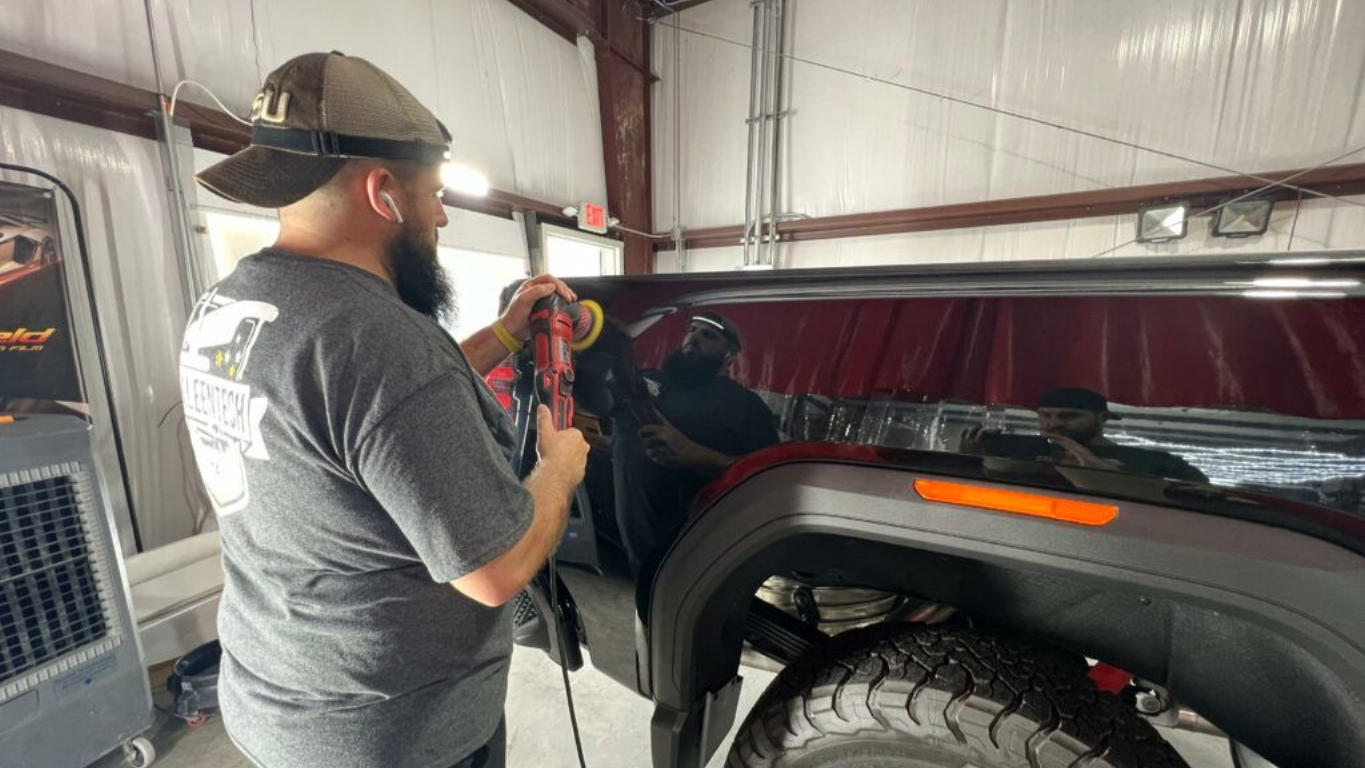
Truck PPF pricing rises in clear steps as coverage expands from the front end to the full vehicle, ranging from about $1,000 for partial front coverage to $8,000 or more for full-body film. Coverage level explains most of the difference between quotes.
| Coverage Level | Typical Price Range | Panels Covered |
|---|---|---|
| Partial front | $1,000 to $1,600 | Bumper, mirrors, partial hood and fenders |
| Full front | $1,850 to $2,500 | Full hood, fenders, bumper, and mirrors |
| Track package | $2,500 to $4,500 | Full front plus rockers and lower impact zones |
| Full body | $5,000 to $8,000+ | All painted exterior panels |
Typical U.S. market ranges as of 2026. Actual quotes vary by region, truck model, and film line.
Package names are not standardized across the industry. Two installers can sell a "full front" package with different panel coverage, so a written list of covered panels matters more than the package label.
Partial Front Coverage Costs
Partial front PPF typically costs $1,000 to $1,600 and covers the front bumper, mirrors, and the leading section of the hood and fenders. The film ends partway across the hood, which keeps material and labor costs down while still protecting the zone that takes the most stone impacts.
Partial front coverage suits trucks that need basic rock-chip defense on a tighter budget. The main tradeoff is a visible film edge across the hood, which can show on close inspection, especially on dark paint. It also leaves a clear upgrade path to full front coverage later.
Full Front End Protection Pricing
Full front PPF typically costs $1,850 to $2,500 and covers the entire hood, both front fenders, the front bumper, and the mirrors. Because the film reaches the panel edges, it avoids the visible line that partial coverage leaves across the hood.
Full front coverage fits trucks that log regular highway miles, where gravel and debris strike the front end first. It protects the panels that collect most chips without moving into full-body pricing.
Track Pack and Premium Coverage Options
A track package typically costs $2,500 to $4,500 and adds rocker panels and other lower impact zones to full front coverage. Not every shop offers a packaged track option, and the included panels vary by installer.
Lower-panel coverage matters most on lifted trucks, work trucks, and pickups that travel gravel or unpaved roads, where tire spray hits the rockers and lower doors repeatedly. Many installers also price these zones individually, so truck owners can add only the panels that take the most abuse.
Full Vehicle PPF Installation Costs
Full-body PPF typically costs $5,000 to $8,000 or more, and full-size pickups often land toward the upper end of that range. Full coverage requires the most film, the most trimming around door handles, bed sides, and body lines, and the longest installation time of any package.
Full-body coverage makes the most sense for new trucks, high-value trims, and trucks that owners plan to keep for many years. It protects every painted panel from chips, scratches, and UV exposure.
What Factors Affect PPF Cost for Trucks
Truck PPF pricing depends on five factors: coverage area, vehicle size, film quality, paint condition, and installer skill. Coverage sets the baseline price, as outlined in the pricing breakdown above, while the other four explain why two trucks with the same package receive different quotes.
| Factor | Why It Changes the Price | What to Ask When Comparing Quotes |
|---|---|---|
| Coverage area | More panels require more film and labor | Which exact panels are included? |
| Vehicle size | Full-size trucks have larger hoods, fenders, and front ends | Is a size adjustment applied to this truck? |
| Film quality | Film lines differ in topcoat, finish, and warranty length | Which film line is used, and what does the warranty cover? |
| Paint condition | Defects must be corrected before film goes on | Is paint prep included or priced separately? |
| Installer skill | Edge sealing and seam placement affect the final look | Are edges wrapped or cut, and where will seams fall? |
Vehicle Size and Surface Area Impact
Full-size pickups generally cost more than sedans for the same coverage because their taller front ends, longer hoods, and larger fenders require more film and more trimming time. Many installers apply a size adjustment for full-size trucks rather than charging a flat package price.
Body complexity also affects the quote. Sharp character lines, deep recesses, and oversized towing mirrors add installation time even when the covered panels stay the same.
Film Quality Differences
Film quality changes the quote because premium films offer stronger self-healing topcoats, better optical clarity, and longer warranties. Film lines also differ in thickness, finish (gloss or matte), and stain resistance.
Many premium films are backed by manufacturer warranties of up to 10 years. A warranty does not replace proper care, but it gives truck owners a clear benchmark for expected service life.
Paint Preparation and Correction Costs
Paint correction commonly adds $400 to $850 on trucks and large SUVs when the paint has swirl marks, scratches, or oxidation. PPF bonds best to clean, corrected paint, so prep work often becomes the hidden cost in a truck protection project.
Film locks in whatever sits underneath it. Defects stay visible under clear PPF, which is why darker trucks and older finishes often need correction before installation. New trucks with clean factory paint usually need only a light prep polish.
Installer Skill and Edge Finishing
Installer skill affects both price and appearance because clean edges and well-placed seams take more time and experience. Wrapped edges, where the film folds around the panel edge, hide the film line but require more labor than straight-cut edges.
Careful installation also reduces lifting, trapped debris, and visible seams over time. On a truck with large panels and complex trim, these details often separate a seamless result from one that shows the film up close.
PPF Coverage Areas and Protection Zones for Trucks
Truck PPF delivers the most value on high-impact areas: the front bumper, hood, fenders, and mirrors. Full front packages cover all four, while add-on zones target the sides and lower panels based on how the truck is used.
Highway commuting puts the front end at the greatest risk. Towing, off-road driving, and tight parking add exposure on rocker panels, door edges, and lower doors. Matching coverage to real driving habits keeps the cost aligned with actual risk.
Essential High-Impact Protection Zones
The front bumper, hood, and fenders take the most rock chips and road debris, followed closely by the mirrors. These panels face oncoming gravel at highway speed, and the mirrors sit outside the main body line, where debris strikes them directly.
Protecting these zones early prevents chips from spreading into larger repairs. Once chips accumulate across the front end, touch-up work rarely matches the original finish, and repainting costs far more than film.
Optional Add-On Coverage Areas
Rocker panels, door edges, door cups, and lower doors are the most common add-on zones for trucks. Add-on pricing varies by installer and truck model, so these zones are usually quoted per vehicle.
Rocker panels sit low enough to absorb repeated debris from the tires, which makes them a practical upgrade for lifted pickups and work trucks. Door edge and door cup film protects against chips from tight parking and scratches from rings and keys. These add-ons let truck owners build protection in stages without committing to full-body coverage.
Key Benefits of PPF for Truck Owners
PPF protects trucks from rock chips, light scratches, and UV exposure, and it helps preserve the original paint for resale. The film acts as a sacrificial layer that takes damage so the factory finish underneath does not.
Truck paint often faces more abuse than passenger-car paint: highway gravel, job-site debris, tree branches, and parking-lot contact all add up. In Louisiana, intense summer UV and seasonal lovebug swarms add further stress to unprotected clear coats.
Self-Healing Technology and Longevity
Many modern PPF films use self-healing topcoats that allow light scratches and swirl marks to fade with heat from the sun or warm water. This keeps protected panels looking cleaner between washes without repeated polishing.
Film lifespan depends on the film line, installation quality, and care. Trucks parked outdoors in Louisiana face a heavier UV load than garaged vehicles, so gentle hand washing and prompt removal of bug residue help the film last through its rated life.
Resale Value Protection for Work Trucks
PPF helps preserve original paint condition, which supports trade-in and resale appeal. Buyers notice chips and scratches before they evaluate mechanical condition, and visible paint wear can weaken a seller's negotiating position.
Work trucks benefit most because paint damage builds quickly from daily job-site use, even on well-maintained vehicles. Clear film protects the appearance of an asset that works every day.
PPF Installation Timeline and Process
Full front PPF installation typically fits within a single day, while full-body installation usually requires multiple days. Timelines vary with truck size, paint condition, and the amount of prep work needed.
Installation follows a set sequence: decontamination wash, clay treatment, paint correction where needed, panel-by-panel film application, edge sealing, and a final inspection. The paint must be clean and dry for the adhesive to bond properly, which matters in Louisiana's high humidity.
More extensive coverage, darker paint, and heavy prep needs all extend the schedule. Confirming the estimated timeline at the quote stage makes it easier to plan around a work truck's downtime.
PPF vs Ceramic Coating for Trucks
PPF and
ceramic coating
solve different problems: PPF absorbs physical impact from rocks and debris, while ceramic coating adds chemical resistance and makes paint easier to wash. Neither replaces the other.
| Protection Type | Typical Price Range | Main Benefit |
|---|---|---|
| PPF (full front) | $1,850 to $2,500 | Impact protection on high-strike panels |
| PPF (full body) | $5,000 to $8,000+ | Impact protection on every painted panel |
| Ceramic coating | $600 to $1,400 | Chemical resistance and hydrophobic surface |
Many truck owners combine both: PPF on the front end, where chips happen, and ceramic coating on the remaining paint. This setup addresses impact damage along with the heat, humidity, and bug residue that wear down uncoated paint.
Truck-Specific PPF Pricing Examples
Truck PPF pricing generally runs above sedan pricing for the same coverage because pickups have larger panels and taller front ends. Model, trim, and body design all change how much film a package requires.
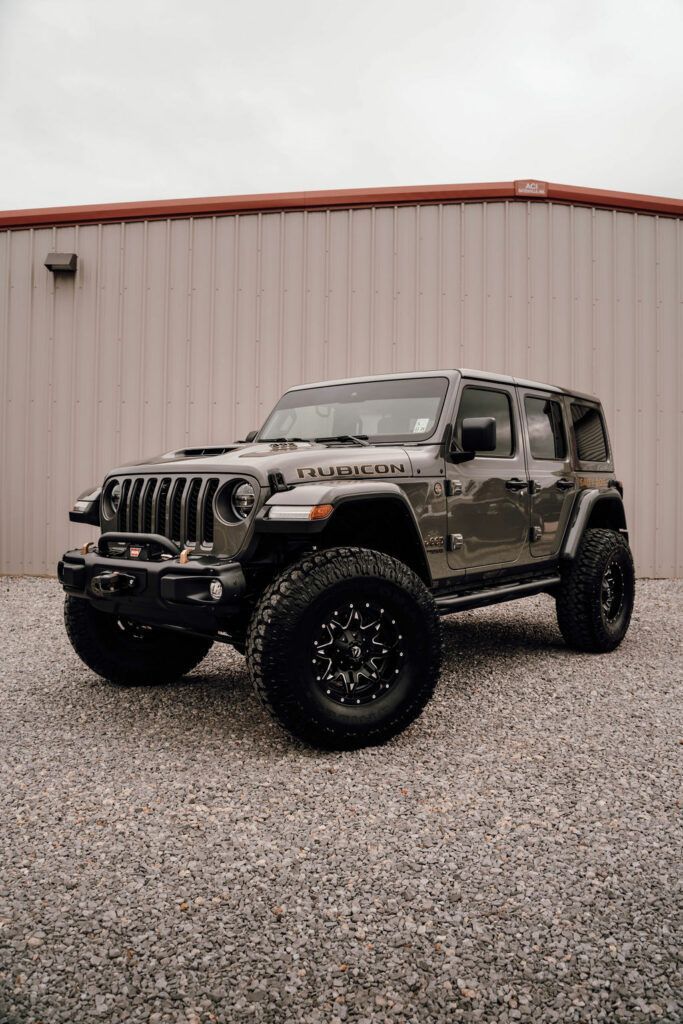
Popular full-size pickups such as the Ford F-150 and Ram 1500 are often quoted individually because hood shape, mirror design, and trim level vary across model years. Owners of these trucks typically start with full front coverage, which falls in the $1,850 to $2,500 range before any size adjustment.
Electric and high-end trucks, such as the Rivian R1T, often land higher because of larger panels and more complex body lines. Lifted trucks and work trucks may add rocker panels or a track package to protect lower panels from tire spray.
Getting a PPF Quote for Your Truck in Louisiana
The right PPF package depends on your truck's size, paint condition, and exposure to road debris. Before choosing an installer, compare the panels covered, film warranty, paint preparation, and installation timeline to understand exactly what each quote includes.
Kleentech Detailing has provided car detailing services in Mandeville, LA, since 2016, with PPF options ranging from front-end protection to full-body clear and matte film. Drivers can visit the Mandeville shop or inquire about mobile service across the Northshore and Greater New Orleans, including Covington, Hammond, and Baton Rouge. Financing through Snap Finance is available for eligible applicants, with approvals from $300 to $5,000, subject to approval and program terms.
Ready to protect your truck's paint? Explore Kleentech Detailing's
Paint Protection Film service in Mandeville to compare coverage options and request a quote for your vehicle.
Frequently Asked Questions About Truck PPF Costs
How long does truck PPF last?
Truck PPF lifespan depends on the film line, installation quality, and how the truck is stored and washed. Many premium films carry manufacturer warranties of up to 10 years. Trucks parked outdoors in Louisiana face a heavier UV load than garaged vehicles, so gentle hand washing and prompt bug removal help the film stay clear through its rated life.
Why does truck PPF cost more than car PPF?
Truck PPF costs more because pickups have larger panels that require more film and more labor. A full-size truck's hood, fenders, and front bumper cover noticeably more surface than a sedan's, and taller front ends, larger mirrors, and complex body lines add trimming time. Many installers apply a size adjustment for full-size trucks.
Is paint correction necessary before PPF?
Paint correction is necessary when a truck has swirl marks, scratches, or oxidation, because PPF seals in any defect underneath it. On trucks and large SUVs, correction commonly adds $400 to $850 to the project. New trucks with clean factory paint often need only a light prep polish before installation.
What is the best coverage for most trucks?
Full front coverage offers the strongest balance of price and protection for most trucks. It covers the hood, fenders, front bumper, and mirrors, the panels that take the most debris at highway speed- and typically costs $1,850 to $2,500. Work trucks and lifted pickups may add rocker panels for lower-body protection.
Can PPF and ceramic coating be used together?
PPF and ceramic coating work well together because they protect against different threats. PPF absorbs physical impact from rocks and debris, while ceramic coating, typically $600 to $1,400, adds chemical resistance and a hydrophobic surface. A common setup places PPF on the front end and ceramic coating on the remaining paint.
About the Author
Kleentech Detailing Team
Since 2016, Kleentech Detailing has provided auto detailing and paint protection services in Mandeville, Louisiana, including PPF, ceramic coatings, window tint, and paint correction. The team serves the Northshore and Greater New Orleans through in-shop and mobile services, sharing practical advice on protecting vehicle finishes from Louisiana’s heat, humidity, and UV exposure.
Last updated: October 2026