Is Ceramic Coating Worth It for Most Cars?
Table of Contents
Ceramic coating is worth it for most cars when easier washing, better gloss, and years of protection matter more than upfront cost. It delivers less value for drivers who only want rock-chip defense. In Louisiana, daily drivers and black cars usually see the clearest payoff.
Key Takeaways
- Ceramic coating is a silica-based liquid polymer that chemically bonds to factory paint, forming a protective layer 1 to 3 microns thick.
- Wax lasts 2 to 6 months, while ceramic coatings can last several years.
- PPF is 150 to 200 microns thick and protects against rock chips.
- Professional coating jobs usually cost $600 to $3,500 and include paint correction.
- Black cars and daily drivers often get the most value from ceramic coating.

What Is Ceramic Coating?
Ceramic coating is a silica-based liquid polymer that chemically bonds to factory paint. It creates a semi-permanent sacrificial layer over the clear coat, adding hydrophobic properties, UV protection, and chemical resistance. The coating is only 1 to 3 microns thick. It's not a physical shield against impact. The factory paint and clear coat still sit underneath, so ceramic coating protects them from environmental damage rather than stone strikes.
For paint protection, that difference matters. A hydrophobic coating helps water bead and roll off. Water also carries away some loose surface contamination more easily during washing, making routine maintenance simpler. A properly bonded layer can also reduce the bond time for bugs, sap, and bird droppings, making them easier to remove during your next wash.
Is Ceramic Coating Worth It For Most Cars?
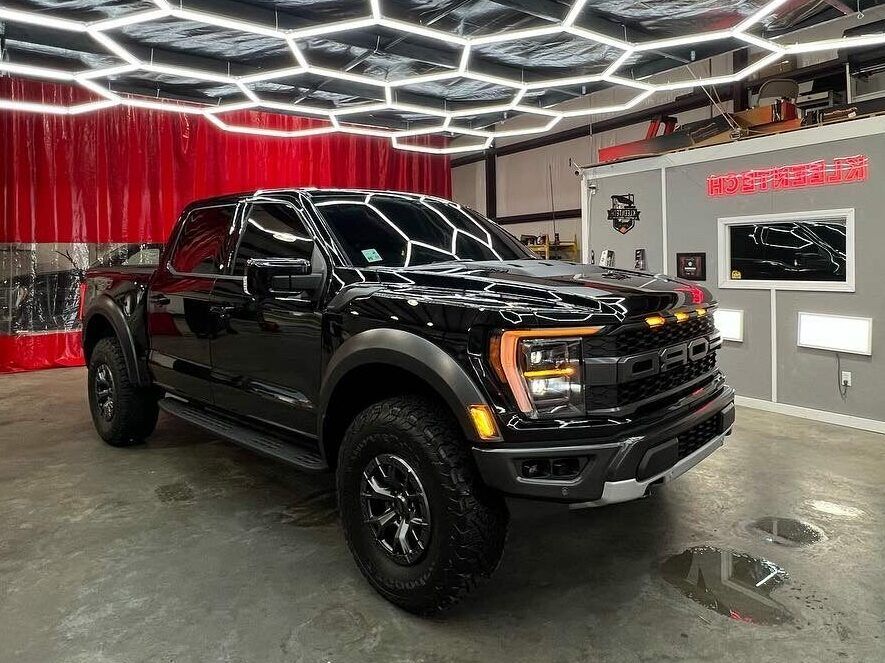
Ceramic coating is worth it for most cars when easier cleaning and longer-lasting protection matter more than short-term cost. It usually beats car wax and paint sealants on durability and gloss retention, and although most vehicles benefit, daily drivers, especially in Louisiana, often see the strongest value because they are exposed to more road grime, UV rays, bug splatter, and environmental fallout. The upgrade makes sense for vehicles exposed to road salt, fallout, sun, bird droppings, and bug splatter. It also may help preserve resale appeal by keeping the paint in better cosmetic condition, helping a used car present better in photos and during inspections.
The coating is less compelling when the owner expects rock-chip protection or skips hand washing. Ceramic coating doesn't replace PPF, and it doesn't make washing optional. The best economic comparison is straightforward: wax is cheaper upfront, but ceramic coating can pay for itself over time through longer service life and lower wash effort.
What Are The Benefits Of Ceramic Coating?
Ceramic coating offers three core benefits: water behavior, UV protection, and chemical resistance. Water beads and rolls off the surface, helping loose dirt rinse away more easily during routine washing. UV protection helps slow oxidation, fading, and dull paint. This matters on black cars and vehicles parked outside in Louisiana's intense sunlight. Chemical resistance helps protect against bird droppings, bug splatter, and tree sap before they etch the clear coat.
The coating also improves gloss and reflective depth. Black paint often looks deeper and cleaner after application, and maintenance washes become easier because contamination doesn't grip the surface as aggressively.
What Are The Downsides And Limits Of Ceramic Coating?
Ceramic coating doesn't prevent rock chips or absorb stone impacts. It's too thin for that job, even though it's hard when cured. PPF is the better answer for physical protection. Paint correction (to remove swirl marks, scratches, and oxidation) is strongly recommended whenever swirl marks, scratches, or oxidation are present because ceramic coating locks existing defects beneath the protective layer. That step matters on used cars and dark paint. If the clear coat has defects, the coating will preserve them under the finish.
Hard water spots are a known limit when minerals dry on the surface in sunlight. Curing time also matters: most coatings need 24 to 48 hours before water or chemicals touch the vehicle. Depending on the product, full chemical curing may continue for several more days. Durability depends on climate, wash method, and upkeep. A neglected coating can fail early, while a maintained coating on a garage-kept car usually lasts longer than one on a daily outdoor driver.
How Does Ceramic Coating Compare With Wax, Sealants, And PPF?
Graphene Coating is a related evolution of ceramic technology that some manufacturers claim may offer better heat resistance and less water spotting. Independent real-world evidence showing a consistent advantage over high-quality ceramic coatings remains limited. Even so, the main decision still comes down to choosing between chemical protection and impact protection. Ceramic coating vs PPF matters most when the car faces gravel, freeway debris, or frequent highway miles. Ceramic coating vs wax matters more when the goal is durability and less frequent reapplication. Paint sealant lifespan sits between those two options.
| Protection Type | Typical Thickness | Typical Longevity | Main Strength |
|---|---|---|---|
| Car Wax | Surface film | 2 to 6 months | Short-term shine |
| Paint Sealants | Surface film | Up to 6 to 8 months | Mid-range durability |
| Ceramic Coating | 1 to 3 microns | Several years | Gloss and chemical resistance |
| Paint Protection Film (PPF) | 150 to 200 microns | Several years | Rock-chip protection |
The comparison above shows that wax is best for short-term shine, paint sealants provide moderate durability, ceramic coating delivers long-term chemical protection, and PPF remains the best choice for protecting against rock chips and other impact damage.
Is DIY Ceramic Coating Or Professional Application Better?
Professional application usually delivers stronger prep and longer durability, while DIY ceramic coating costs less upfront. Professional jobs typically run $600 to $3,500 and include decontamination and machine polishing. DIY kits usually cost $50 to $300. DIY ceramic coating can work for budget-minded owners, but the surface prep is demanding. The process needs iron remover, a clay bar, and an isopropyl alcohol (IPA) wipe to remove embedded contaminants and polishing oils before bonding. If swirl marks or oxidation are present, machine polishing may also be necessary before applying the coating.
Professional application is usually the better choice for new cars, black cars, and resale-focused owners. The extra prep reduces the risk of locking defects under the coating. DIY application fits simpler goals, smaller budgets, and owners comfortable with panel-by-panel work. Ceramic coating in Mandeville is usually the better path when the goal is long-term protection rather than the lowest upfront price. DIY ceramic coating prep helps owners judge whether home application is realistic. Professional ceramic coating cost should be weighed against the car's value and expected ownership period.
What Prep And Maintenance Does Ceramic Coating Require?
Ceramic coating requires paint decontamination and a clean, properly prepared surface before application. The surface must be free of embedded contaminants and polishing oils. If contamination remains, bonding weakens and the finish suffers. Maintenance is simple but non-negotiable. Regular hand washing with the two-bucket method helps preserve the coating, and pH-neutral soap protects the layer better than harsh detergents or acidic cleaners.
Automated brush car washes shorten coating life and can add marring. They also reduce the gloss that owners pay for. A careful maintenance wash is the main difference between a coating that lasts and one that fails early.
Which Cars Benefit Most From Ceramic Coating?
Most vehicles can benefit from ceramic coating, but some see greater advantages than others. Black cars benefit the most because ceramic coating deepens gloss and makes dust, water spots, and other contamination easier to remove during routine maintenance. New cars also benefit because the coating preserves the factory finish. Daily drivers benefit from easier cleaning after exposure to road salt, fallout, and everyday contaminants. Cars intended for resale can also benefit, as a cleaner, glossier finish often photographs better and shows better to buyers. The strongest fit is a vehicle with cosmetic priorities and regular exposure.
Not every car needs coating. A work truck with heavy impact risk may be better served by PPF on high-strike panels. A garage-kept weekend car may only need a paint sealant if long-term durability isn't a priority.
How Long Does Ceramic Coating Last?
Professionally applied ceramic coatings can last several years and outlast wax by a wide margin. Wax usually lasts 2 to 6 months, while paint sealants usually last up to 6 to 8 months. Washing habits, climate, and hard water exposure affect lifespan. A garage-kept vehicle will generally retain its coating longer than one that spends every day in direct sunlight and harsh weather. Hard water spots can still form when minerals dry on the surface.
Proper maintenance helps protect the claimed lifespan. Regular hand washes, pH-neutral soap, and fast drying all matter. The coating lasts longer when contamination doesn't sit on it for long.
What To Do Next
If ceramic coating is still on the table, compare the car's age, paint condition, and parking habits first. That decision usually separates a good value from an expensive cosmetic upgrade. Not sure if your car fits the profile? Compare your driving habits, paint condition, and budget against the coating options above before booking anything.
FAQs
Is Ceramic Coating Worth It For Daily Drivers?
Ceramic coating is usually worth it for daily drivers that face rain, salt, dust, and bug splatter. It can reduce the effort required for routine washing and helps paint stay cleaner between maintenance washes. That matters more on cars driven 10,000 to 15,000 miles per year.
Does Ceramic Coating Replace PPF?
Ceramic coating doesn't replace PPF because it can't stop rock chips. PPF is 150 to 200 microns thick and absorbs impact, while ceramic coating is 1 to 3 microns thick and improves chemical resistance and gloss. Combining the two is common: many owners apply ceramic coating over PPF to add gloss and make maintenance easier while keeping the impact protection PPF provides.
Can Ceramic Coating Go On A New Car?
Ceramic coating works well on new cars because the factory finish needs less correction. New paint still benefits from UV protection, chemical resistance, and easier cleaning. Most coatings need 24 to 48 hours to cure before the car is exposed to rain or washing. Full curing may continue for several additional days, depending on the coating formula and environmental conditions. That's why many owners choose coating soon after delivery.
What Causes Ceramic Coating To Fail Early?
Ceramic coating fails early when prep is rushed, washing is harsh, or hard water sits on the surface. Brush washes, acidic cleaners, and skipped drying all reduce longevity. Skipping proper decontamination, including iron removal, claying, and surface preparation, is one of the most common causes of poor bonding and early coating failure. Climate and storage also affect how long the coating performs.
Is DIY Ceramic Coating Good Enough?
DIY ceramic coating can be good enough for a smaller budget and simpler expectations. The kits usually cost $50 to $300, but they often last less time than professional coatings. Strong prep with iron remover, clay, and an IPA wipe matters most.
About the Author
Kleentech Detailing LLC was established in 2016 and has served Mandeville, Louisiana, and the surrounding area for 10 years. The shop is family-owned and operated, and offers a full range of detailing services alongside ceramic coatings, ceramic window tint, and paint protection film. The combination of decontamination, correction, and coating described throughout this guide reflects the standard workflow Kleentech follows on every ceramic coating job in the Mandeville area.
Latest update: July 2026