What Is Paint Protection Film? The Complete Guide To PPF
Table of Contents
If you're starting to wonder how long does car vinyl wrap last, these signs may indicate it's reaching the end of its lifespan.
- Peeling edges
- Color discoloration
- Air bubbles or cracking
- Loss of shine or texture
Book a free wrap checkup with Kleentech Detailing to assess the damage early.
Book a free wrap inspection
with Kleentech Detailing.
We offers
free wrap inspections in Mandeville, LA, to determine the condition, durability, and potential upgrade options for your vinyl wrap. As a full-service vinyl wrapping company, we conduct a comprehensive inspection of your wrap, provide the best next steps for you, and are happy to answer any questions you may have regarding your wrap.
That sharp crack of a stone hitting your bonnet is something every car owner dreads. Even a small rock chip can ruin an otherwise perfect finish. Paint protection film (PPF) was created to prevent this, protecting your vehicle from everyday damage.
In recent years, PPF has evolved from a niche solution used on high-end vehicles to a mainstream investment for car owners who want to preserve long-term value and appearance.
In this guide from
Kleentech Detailing,
you will learn
“what is paint protection film”, how it works, its real cost, how long it lasts, and whether it is worth it for your specific use case.
Key Takeaways
- Paint Protection Film (PPF) is a transparent, thermoplastic urethane layer applied to vehicle paint to provide maximum protection against rock chips, scratches, and environmental damage.
- Multi-layer construction (adhesive, TPU, top coat) allows PPF to absorb impacts, resist UV and chemicals, and maintain long-term durability (5–10 years).
- Self-healing technology enables light scratches and swirl marks to disappear with heat, keeping the surface looking new.
- Compared to alternatives, PPF offers superior physical protection, while vinyl wraps focus on aesthetics, and ceramic coatings enhance surface properties only.
- PPF costs range from $300 for spot protection to over $8,000 for full-body coverage, depending on vehicle size, film quality, and installation precision.
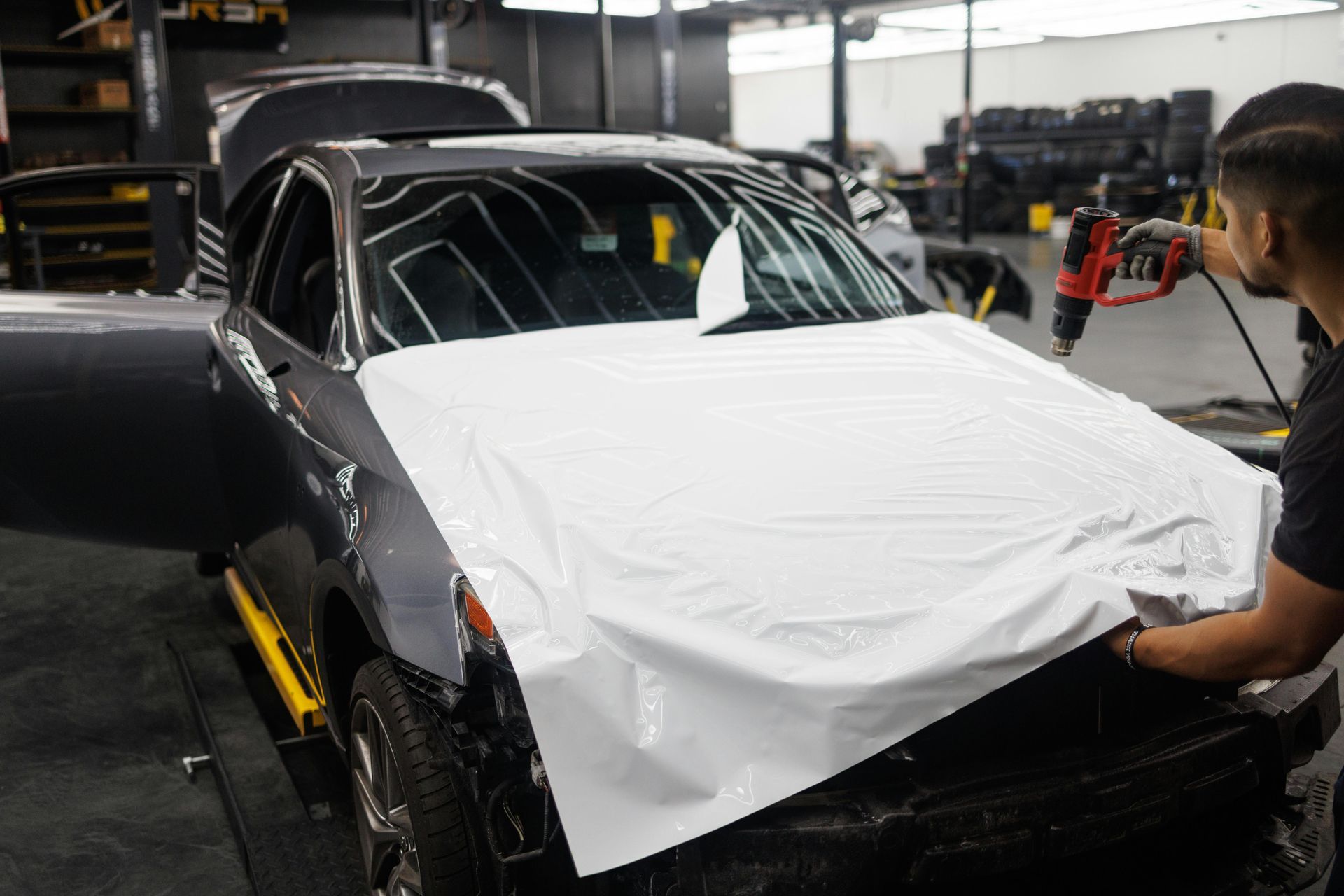
What Is Paint Protection Film?
Paint Protection Film, PPF, also known as clear bra, is a multi-layer urethane film engineered to protect automotive paint from impact damage, abrasion, and environmental exposure. Unlike surface coatings, PPF provides physical impact resistance, making it the most effective solution for preventing stone chips and road debris damage.
With a thickness of 6–10 mils, modern PPF combines:
- Impact absorption (TPU layer)
- Adhesion stability (acrylic layer)
- Surface protection (self-healing top coat)
This layered structure allows the film to maintain optical clarity while actively protecting the paint underneath.
PPF is typically applied to high-impact zones such as the front bumper, bonnet, side mirrors, and headlights, where rock chip damage is most likely.
How Does Paint Protection Film Work?
Paint Protection Film works through a multi-layer impact-absorption system that protects vehicle paint from rock chips, scratches, UV exposure, and chemical damage. Each layer performs a specific function, combining adhesion, flexibility, and surface resistance to prevent paint deterioration.
PPF consists of four functional layers:
1. Polyester Release Liner (Application Layer)
The release liner is a temporary 3.0 mil protective layer removed during installation to expose the adhesive. It ensures the adhesive remains clean and uncontaminated before application.
2. Acrylic Adhesive Layer (Bonding Layer)
The acrylic adhesive bonds the film securely to the paint surface while allowing precise repositioning during installation.
High-quality adhesives provide:
- Strong, long-term adhesion
- Clean removal without paint damage
- Resistance to edge lifting and residue
Low-quality adhesives often cause premature failure, including peeling and contamination.
3. Thermoplastic Polyurethane (TPU) Layer (Impact Layer)
The TPU layer is the core protective component (~6 mils thick) that absorbs impacts from:
- Rock chips
- Road debris
- Surface abrasion
Its flexibility allows it to disperse force, preventing damage to the paint underneath. Premium TPU remains elastic over time, while lower-grade films can harden and crack.
4. Clearcoat / Top Coat (Surface Protection Layer)
The top coat is the outermost layer responsible for surface performance and appearance. It provides:
- Hydrophobic properties (water beading)
- UV resistance (prevents yellowing)
- Chemical resistance (bird droppings, stains)
- Scratch resistance with self-healing technology
Some advanced films include ceramic-infused coatings for enhanced gloss and durability.
Together, these layers create a flexible, self-healing barrier that absorbs damage instead of the vehicle’s paint, making PPF the most effective form of physical paint protection.
How Does Self-Healing PPF Work?
Self-healing is one of the most talked-about features of modern paint protection film, and also one of the most misunderstood.
Certain PPF products contain elastomeric polymers in their top coat layer, loosely cross-linked polymer chains with a natural shape memory. When heat is applied from sunlight, warm water, or a heat gun, these chains snap back into position, and a light surface scratch simply disappears.
However, most PPF requires external heat to trigger this process - that is heat-activated self-healing. True instant healing, PPF repairs itself at ambient temperature without any intervention. If self-healing capability matters to you, always ask your installer whether the film is heat-activated or instant healing before committing.
What Are The Types Of Paint Protection Film?
Not all paint protection film is the same. PPF varies by coverage area, finish type, and film grade. Understanding these differences helps you make the right decision for your vehicle and your budget.
Coverage Options
- Clear Bra (Partial Front-End): Protects the most impact-prone areas of your vehicle, including the front bumper, leading edge of the bonnet, side mirrors, and headlights - where stone chips and road debris are most likely to occur. This option offers a cost-effective entry into PPF protection while safeguarding the most vulnerable surfaces.
- Full Body Wrap: Extends protection across all painted exterior panels - doors, rear bumper, side skirts, boot lid, and roof. Designed for maximum coverage, this solution is ideal for owners who demand the highest level of paint protection and long-term vehicle preservation.
Finish Options
- Gloss PPF: The standard choice for most vehicles. Optically clear and virtually invisible, Gloss PPF enhances the depth and shine of factory paint while preserving the original appearance.
- Matte PPF: Engineered for vehicles with factory matte or satin finishes, Matte PPF maintains the signature flat sheen without introducing unwanted gloss. It is also a popular option for transforming gloss paint into a refined matte look - without the need for repainting.
- Color PPF (Fashion Film): Combines the protective benefits of traditional PPF with a colored or tinted finish. A true alternative to vinyl wraps, Color PPF allows owners to personalize their vehicle’s appearance while still enjoying advanced paint protection.
Film Grade And Quality
Not all PPF films are created equal. Performance can vary significantly depending on the quality of the acrylic adhesive, the density of the thermoplastic polyurethane (TPU) layer, and the formulation of the top coat.
Lower-grade films are more susceptible to yellowing, reduced clarity, and premature wear over time. In contrast, premium-grade PPF offers superior optical clarity, enhanced durability, and long-term resistance to discoloration, maintaining a flawless, invisible finish throughout its lifespan.
PPF Vs. Vinyl Wrap Vs. Ceramic Coating
Understanding the differences helps avoid one of the most common mistakes: expecting ceramic coating to provide impact protection.
| Feature | PPF | Vinyl Wrap | Ceramic Coating |
|---|---|---|---|
| Purpose | Physical paint protection | Colour change | Surface enhancement |
| Impact Protection | Yes | Minimal | None |
| Self-Healing | Yes | No | No |
| UV Protection | Yes | Partial | Yes |
| Hydrophobic | Yes | No | Yes |
| Lifespan | 5–10 years | 3–5 years | 2–5 years |
Conclusion: PPF is the solution that provides true impact protection against rock chips.
How Is Paint Protection Film Installed?
The quality of a PPF installation is just as important as the quality of the film itself. A perfect film installed poorly will underperform. A precise installation, done right from the start, will protect your vehicle's paintwork for years.
Step 1: Surface Decontamination
Every installation begins with a thorough decontamination wash. This strips the paint surface of wax, oil, industrial fallout, and any other contaminants that could compromise adhesion. A wax-stripping car shampoo is used, followed by a clay bar treatment on heavily contaminated panels.
Step 2: Paint Correction
Once the surface is clean, the installer inspects the paint carefully. If swirl marks, oxidation, light scratches, or spider webbing are present, paint correction is performed before the film goes on. Since PPF is transparent, any imperfection in the paint underneath will remain visible through the film.
Step 3: Pre-Cutting the Film
Rather than cutting the film by hand directly on the vehicle, a computer-controlled plotter is used to pre-cut each panel of film to the exact dimensions of your vehicle. This reduces waste, improves accuracy, and allows a seamless fit around complex curves, grilles, and door edges.
Step 4: Fitting & Applying The Fitting Solution
Each pre-cut section is dry-fitted to the panel to confirm accuracy. A fitting solution is then applied to both the painted surface and the back of the film. This activates the acrylic adhesive and allows the installer to position and adjust the film precisely before it fully bonds.
Step 5: Squeegee Application
With the film in position, a squeegee is used to press it firmly against the surface and push out any air bubbles or moisture pockets. This step requires experience and care; rushing it creates visible imperfections in the finished result.
Step 6: Heat Activation and Curing
The final step is heat curing. A heat gun is used to activate the adhesive bond and conform the film tightly to the edges and contours of each panel. The vehicle then rests for a curing period to allow the bond to fully set.
How Long Does Paint Protection Film Last?
A professionally installed, premium-grade paint protection film typically lasts between 5 and 10 years. That said, several factors influence how long your PPF performs at its best.
Factors That Affect PPF Lifespan
- Surface Preparation Quality
The condition of the paint surface before installation directly impacts how well the acrylic adhesive bonds, and therefore how long the film stays in place. A thoroughly decontaminated, paint-corrected surface gives the film the cleanest possible foundation and the longest possible lifespan.
- Environmental Conditions
Heavy UV exposure, extreme heat, industrial pollution, and frequent contact with acidic contaminants like bird droppings and bug splatter will degrade lower-quality films faster. Premium PPF is engineered to resist these stressors, but even the best film benefits from regular maintenance.
- Maintenance Practices
Proper PPF maintenance plays a crucial role in maximizing longevity: Use a pH-neutral car shampoo for regular washing, avoid high-pressure jets at film edges, schedule annual inspections, and avoid abrasive polishes unless recommended.
How Much Does Paint Protection Film Cost?
| Coverage Level | Price Range |
|---|---|
| Spot Coverage | $300–$700 |
| Front-End Kit | $1,000–$2,500 |
| Three-Quarter | $2,000–$4,000 |
| Full Body | $4,000–$8,000+ |
The cost of PPF depends on vehicle size, film quality, installer expertise, and coverage area. Choosing based on price alone often leads to lower-quality film or installation, which can cost more in the long run.
Pros And Cons Of Paint Protection Film
Pros
- Strong impact protection
- Self-healing
- UV resistance
- Chemical resistance
- Preserves resale value
Cons
- High cost
- Requires professional installation
- Quality varies
- Needs good paint condition
Book Your PPF Near Me Today
Ready to protect your vehicle with professional-grade PPF?
Kleentech Detailing offers precision-installed paint protection film in Mandeville, Louisiana, using high-quality materials and expert techniques to ensure long-term durability and a flawless finish.
Contact us today
for a personalized quote and consultation tailored to your vehicle and driving conditions.
FAQs
Can PPF be removed?
Yes. Paint protection film can be removed safely by a professional without damaging the original paint, as long as it was properly installed and the paint surface was in good condition before application. DIY removal is not recommended as it risks paint damage.
Does PPF yellow over time?
Lower-grade films with inferior top coat chemistry can develop a yellow tint over time, particularly when exposed to heavy UV exposure. Premium optical clarity films from reputable manufacturers maintain their transparency for the full life of the product. Always ask your installer about the specific film brand and grade being used.
Can I wash my car normally after PPF?
Yes, but wait 48 to 72 hours after installation before washing to allow the adhesive bond to fully cure. After that, use a pH-neutral car shampoo for routine washing and avoid directing high-pressure jets at film edges to prevent lifting over time.
What are the disadvantages of paint protection film?
The main disadvantages are higher cost, the need for professional installation, and variation in quality between different film brands.
Is paint protection film worth it?
For any vehicle owner who values their paintwork, yes. Paint protection film is the most effective, longest-lasting form of automotive paint protection available. It is especially valuable for new cars, high-end vehicles, and drivers who frequently travel on highways where rock chips are more common.
Can PPF be applied to any vehicle?
Yes. Computer-cut pattern databases now exist for virtually every vehicle make and model, meaning precise, custom-fitted PPF can be applied to almost any production vehicle. Exotic and custom vehicles may require hand-cut or hybrid installation.