How To Remove Paint Protection Film (PPF) Safely And Effectively
Table of Contents
Removing PPF (paint protection film) properly protects your car’s original finish. As a clear protective film, PPF shields paint from scratches, chips, and UV exposure. When aged, yellowing or peeling may appear, making removal part of responsible paint protection solutions.
Whether you're preparing for a new application or restoring the surface, this guide from
Kleentech Detailing
will walk you through
how to remove PPF safely and avoid costly paint damage.
Key Takeaways
- Safe PPF removal protects your vehicle’s original paint, preventing scratches, clear coat damage, and unnecessary paint correction.
- Common DIY mistakes, such as a lack of heat, sharp tools, or overheating, can tear the film, leave residue, or damage OEM paint.
- Using proper tools like a heat gun, plastic razor blade, adhesive remover, and microfiber towels ensures clean, controlled removal.
- Signs you need a professional include film older than 5 years, hardened adhesives, extreme weather exposure, or visible bubbling, cracking, and discoloration.

Common DIY Mistakes During PPF Removal
Many of the risks associated with DIY applications, such as damage, scratches, and chips, are addressed by the use of protective coatings. Using the wrong techniques when applying or removing paint protection film (PPF) may also result in tearing or shredding the film, as well as leaving behind residual adhesive on the vehicle's paint surface.
As the film ages, understanding how long does PPF last helps determine when removal becomes more difficult and risky. The following are some of the possible risks associated with using improper methods for removing PPF:
- Tearing/shredding the PPF film because of not using enough heat.
- Leaving adhesive residue on the vehicle's paint surface;
- Scratching the clear coat with a sharp blade;
- Damaging the OEM paint due to excessive heat.
If you are apprehensive about DIY application/removal of PPF, hiring a professional detailer can help safeguard against costly mistakes and ensure surface protection.
Tools You Need For Safe PPF Removal
Using the right automotive care products makes the job cleaner and safer. Here’s your checklist:
| Tool | Purpose |
|---|---|
| Heat Gun/Steamer | Softens adhesive and self-healing layer |
| Plastic Razor Blade | Lifts edges without damaging paint |
| Adhesive Remover | Dissolves leftover glue |
| Microfiber Towels | Wipes film and residue gently |
| Spray Bottle with Solution | Cools the panel and loosens the adhesive |
| Flashlight | Helps inspect the surface after removal |
| PPE (Gloves & Eye Protection) | Safety during chemical and heat use |
Step-by-Step Guide To Removing PPF From Your Car
Removing aging paint protection film (PPF) requires a gentle and thorough approach to prevent damaging the paint. Here’s a simple five-step guide to safe and effective removal:
Step 1: Clean And Prepare The Surface
- Clean the panel using pH-neutral car shampoo.
- Inspect for cracks, deep scratches, or aged film edges.
- Optional: Use a clay bar to remove embedded particles for smoother removal.
Why this matters: Dirt and grit can scratch the surface as you peel off the film.
Step 2: Soften The Adhesive With Heat
- Use a heat gun or steamer on low to medium settings.
- Keep the heat source 6–12 inches away, moving constantly.
- Warm one panel at a time until the film softens and begins to lift.
Avoid excessive heat - overheating can bubble the clear coat or discolor paint.
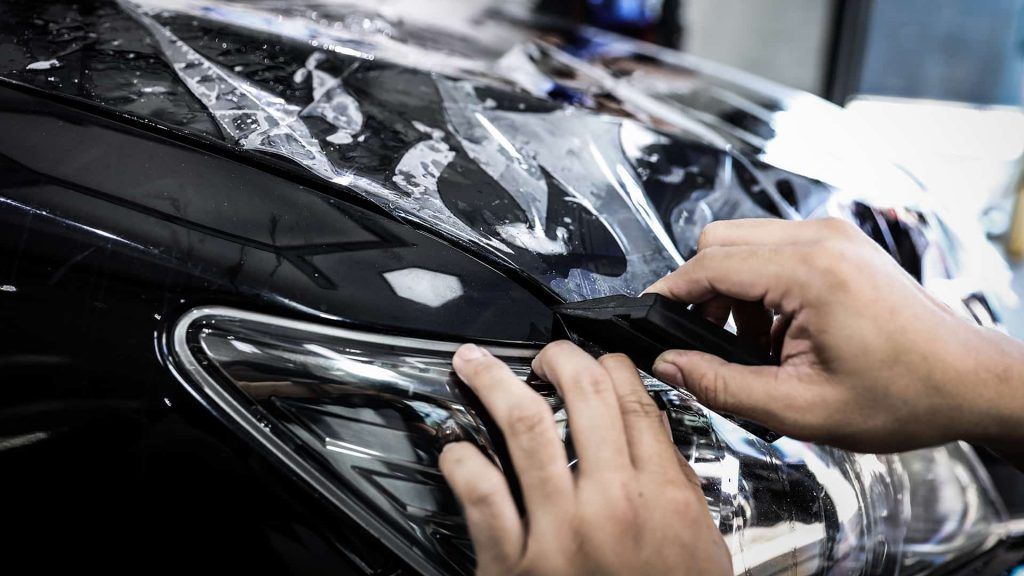
Step 3: Gently Peel The Film
- Lift a corner using your plastic razor blade.
- Peel the film back at a shallow angle (30–45°).
- Work slowly — do not yank or rip the film.
Why this matters: Sharp angles and quick pulls can lift clear coat or leave adhesive trails.
Step 4: Remove Leftover Adhesive
- Spray adhesive remover on any sticky residue.
- Let it sit for 1–2 minutes.
- Wipe gently with a microfiber towel.
For stubborn spots: Use a soft foam applicator with a polishing compound.
Step 5: Final Surface Cleaning and Inspection
- Rewash the panel using clean water or diluted isopropyl alcohol.
- Dry and inspect under direct light.
- Polish lightly to restore gloss if needed.
This step ensures the panel is clean, smooth, and ready for new film or coating.
What Happens If You Remove PPF Incorrectly?
Improper application or removal of PPF can result in many surface concerns and thus diminish the overall appearance and protective capabilities of your vehicle. These issues can include:
- Lack Of UV Protection: If the clear wrap is removed aggressively or overheated, it could remove the UV protection of the clear wrap, leaving the paint exposed to UV rays.
- Need For Paint Correction/Repainting: Tearing the wrap or using sharp instruments could cause damage to the clear coat and lift paint off the substrate.
- Material Left Behind: Dried glue could be uneven and may need to be polished or compounded to restore the finish.
- Time To Remove: Not following the proper removal steps and using incorrect tools can create additional time for the removal process and increase the chances of errors.
Knowing what can go wrong also helps evaluate the true value of PPF installation and removal, especially when considering factors like
how much PPF costs.
When To Call A Professional
Trying to remove PPF yourself isn't always effective or safe, and there can be situations where you should reach out for help from a pro detailer:
- If the PPF is older than 5 years, it will be quite brittle and have a high risk of ripping and leaving leftover residue when removed.
- Suppose your vehicle has experienced the extreme heat of the sun, severe winters, and/or high humidity. In that case, this will cause the adhesive to become rock-solid, making it tricky to remove the material without damaging the surface.
- If you want to apply new paint, a ceramic coating, and/or a new film, the material must be clean and not have any remaining residue to allow optimal adhesion.
- If your PPF shows signs of bubbling, cracking, or faded/darkened areas, this is an indication that there is failure within the PPF and that an improper removal could lead to damage to the underlying PPF.
The service provided by
professional PPF removal ensures the use of appropriate heat settings, non-abrasive tools to remove the material safely, and products geared towards being safe for film to avoid damaging the vehicle's paint.
Book PPF Removal With Kleentech Detailing
Book your PPF removal with
Kleentech Detailing for safe, damage-free results. Whether you're prepping for resale, ceramic coating, or new film, our experts protect your paint and deliver long-term, visible results.
FAQs
Does removing PPF damage the paint?
Properly removing the paint protector film (PPF) does not harm the underlying paint job. If the bottom coat does have light surface scratches after PPF removal, light scratches could be repaired through scratch-removing compounds or the use of wet sanding.
Will the film leave residue?
Yes, PPF that is old and/or has been subjected to the elements may leave lines of adhesive when the PPF is removed. You will need to carefully clean up the adhesive lines using an adhesive cleaner and a towel or cleaning cloth.
What if my car has factory paint?
OEM finishes typically have good strength, but still require the same removal technique as aftermarket finishes.
Does PPF block sunlight or UV?
Yes, PPF will block yearly exposure to UV rays and will provide a lower level of maintenance by enhancing the resale value of your vehicle over time, thus protecting your investment.